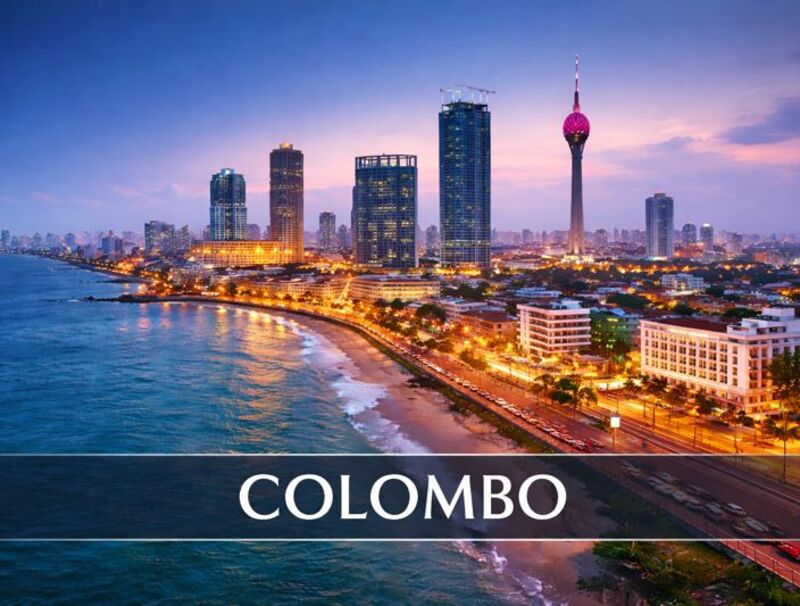
Colombo – Sri Lanka’s commercial capital – has been a key Indian Ocean port for ~2,000 years. Colonised by the Portuguese, Dutch and British (1505–1948), it was the island’s capital from 1815 until 1978. Today its Fort and Pettah districts, temples, markets and colonial-era buildings reflect its diverse heritage.
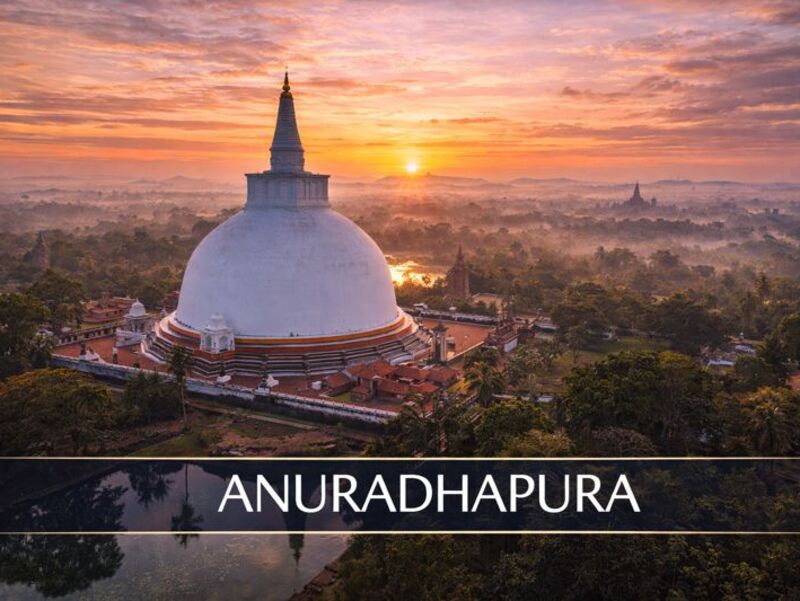
Anuradhapura (UNESCO WHS) was Sri Lanka’s first capital (4th c. BC–11th c. AD). Its sprawling ruins include enormous Buddhist stupas (e.g. Ruwanwelisaya, Jetavanarama) and the sacred Jaya Sri Maha Bodhi (Buddha’s fig tree). The site, inscribed by UNESCO in 1982, is a major pilgrimage centre of Sinhalese Buddhist heritage.
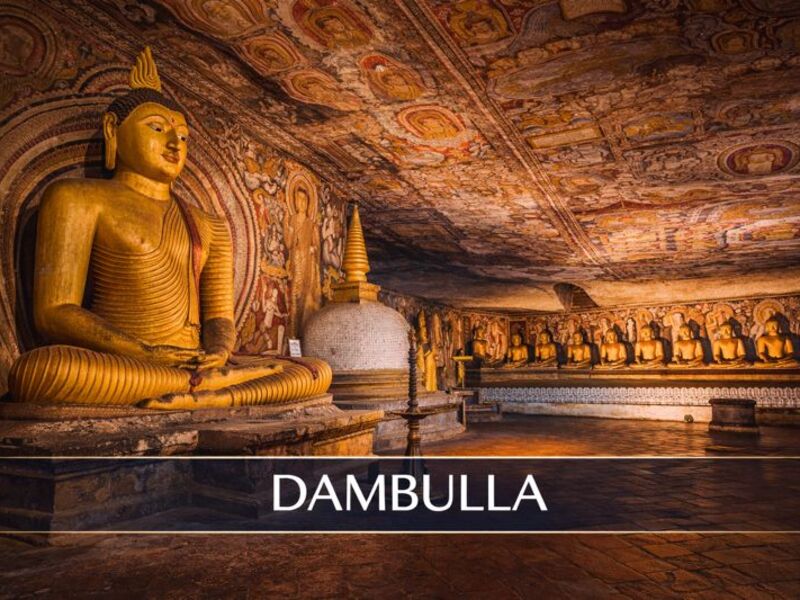
Dambulla (Rangiri Dambulla Cave Temple, UNESCO) is a 2,200‑year‑old cave monastery complex with five sanctuaries. It houses 157 Buddha statues and 2,100 m² of Buddhist murals. This largest, best‑preserved cave temple in Sri Lanka is a major Buddhist pilgrimage site (UNESCO‑listed 1991).
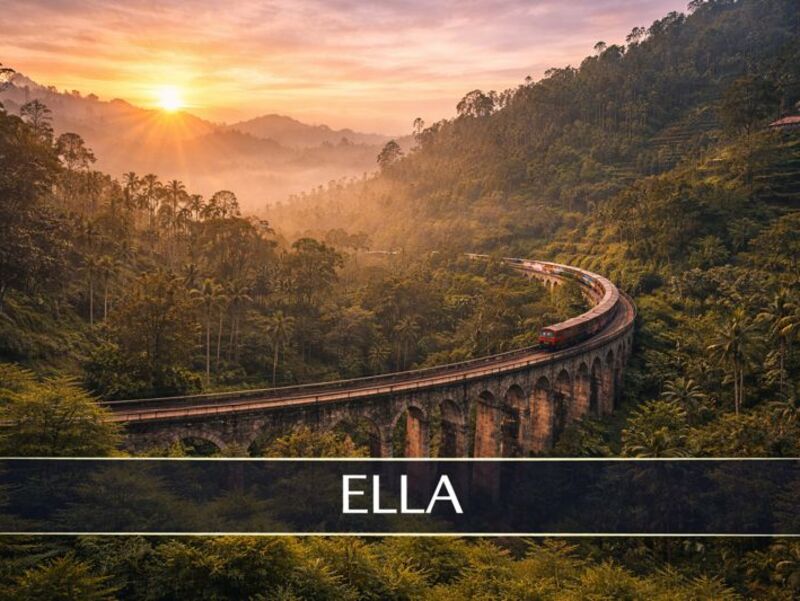
Ella is a small hill‑country town in southern Sri Lanka, renowned for panoramic mountain views and lush rainforest treks. Hiking attractions include the Nine Arch Bridge, Little Adam’s Peak and Ravana Falls. Surrounded by tea plantations, it offers iconic scenic vistas and a laid‑back atmosphere ideal for nature walks.
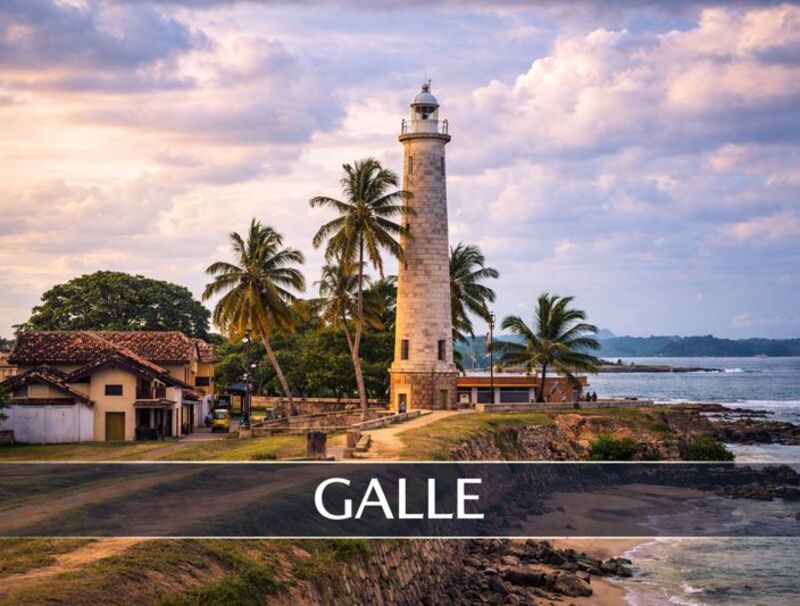
Galle’s walled old town (UNESCO Fort City) was a chief colonial‑era port. Known as Gimhathiththa before the 16th c., it thrived under Portuguese and Dutch rule. The fort district’s ramparts, lighthouse and Dutch-era buildings remain, complemented by cafes, shops, cobbled streets and nearby sandy beaches
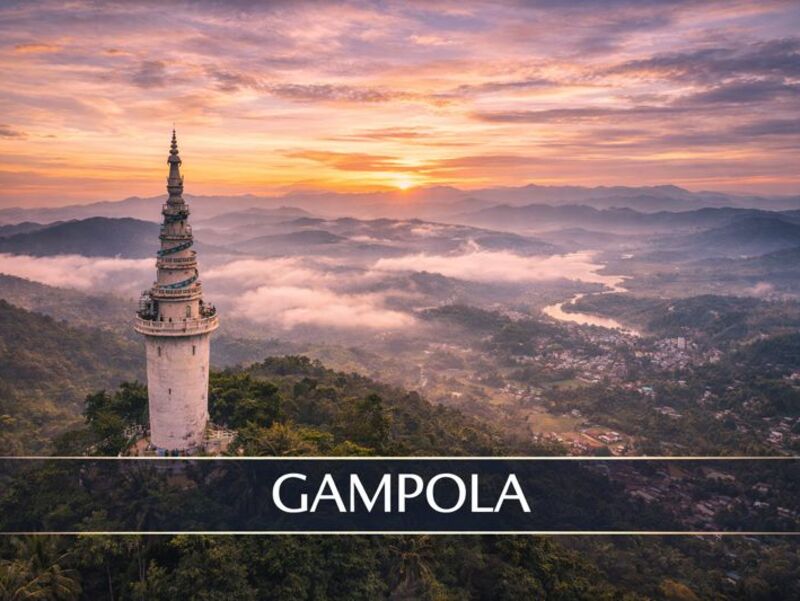
Gampola is a Central Province hill town that was the island’s capital (1341–1351) under King Bhuvanekabahu IV. Its medieval attractions include the Lankathilaka, Gadaladeniya and Embekke temples (famous for elaborate wood carvings). Nearby Ambuluwawa hill features a 48 m spiral tower amidst a biodiversity park.
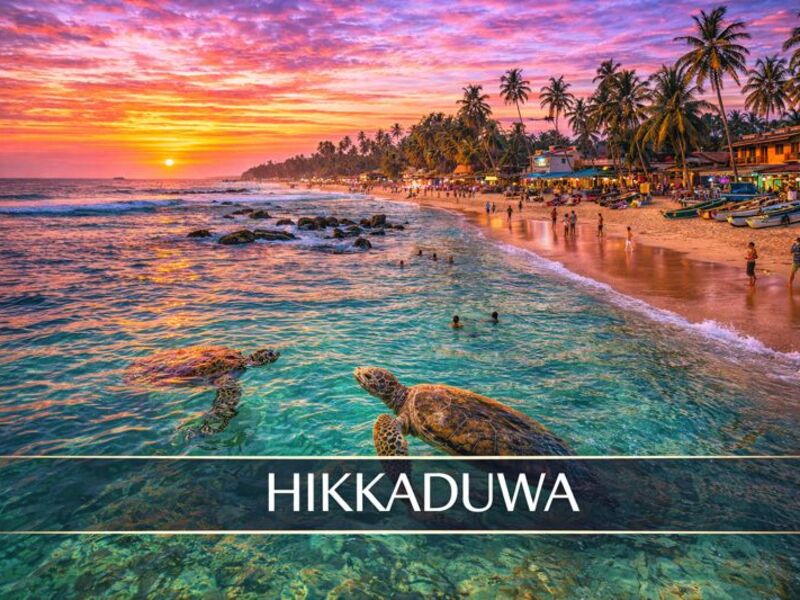
Hikkaduwa is a south‑coast beach resort famed for its wide golden sands and vibrant coral reefs. The Hikkaduwa Marine Sanctuary (established 1979) protects diverse coral species and marine life. Tourists enjoy swimming, snorkeling and surfing in its clear tropical waters, often spotting sea turtles.
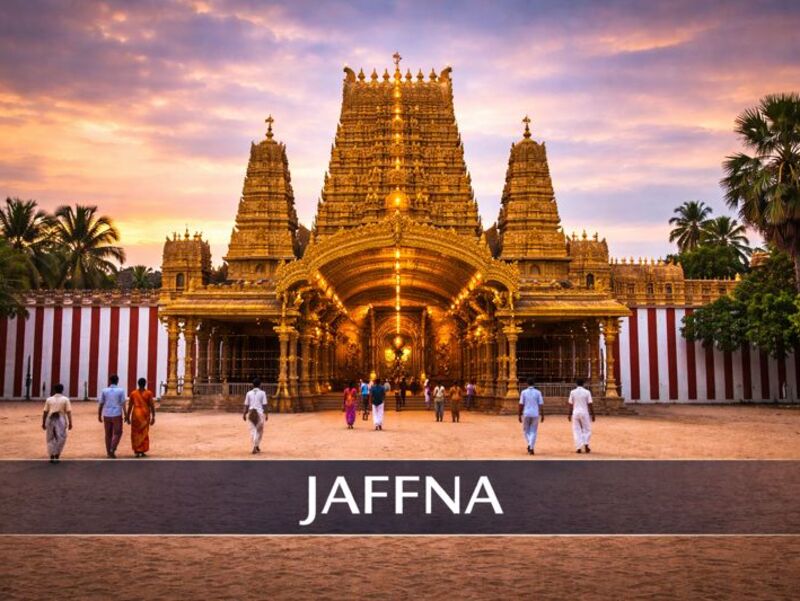
Jaffna is a culturally vibrant city on Sri Lanka’s northern peninsula. Key landmarks include the 17th‑c. Dutch Fort (held successively by Portuguese, Dutch and British) and the restored Jaffna Public Library. Nearby Nallur Kandaswamy Temple (founded 948 AD) is a major Hindu pilgrimage site. Coastal attractions include small islands and sandy beaches.
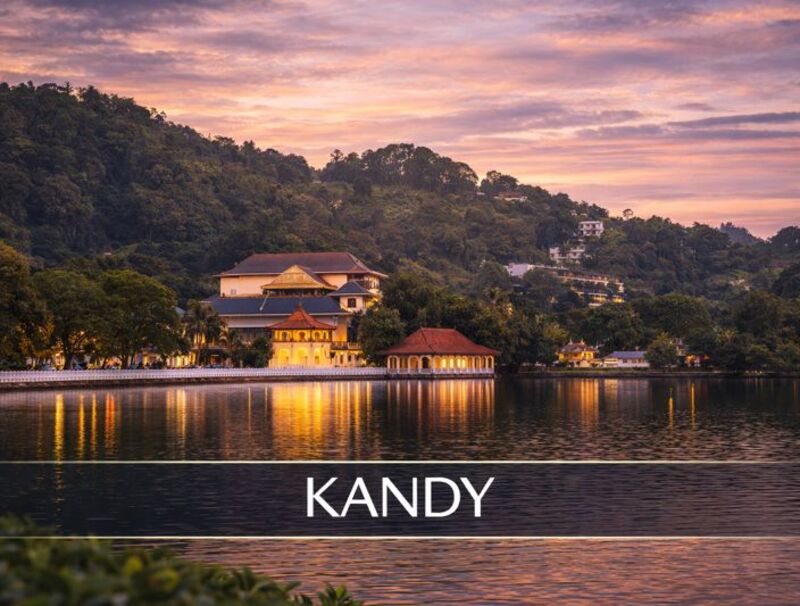
Kandy (UNESCO WHS) was Sri Lanka’s last Sinhalese royal capital until 1815. Its centerpiece is the Temple of the Sacred Tooth Relic (Sri Dalada Maligawa), an important Buddhist pilgrimage shrine. Other highlights include the Royal Botanic Gardens at Peradeniya, scenic Kandy Lake and the annual Esala Perahera cultural procession.
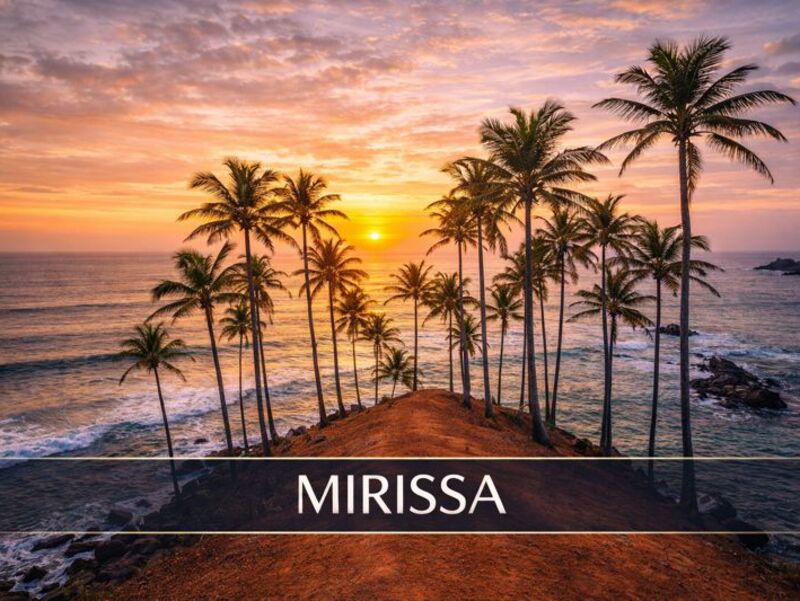
Mirissa is a beach town on Sri Lanka’s southwest coast, known for its crescent‑shaped bay. It is a top whale‑watching base (particularly for blue whales). The tranquil beach offers surfing and snorkeling, and sunset views from Parrot Rock and Coconut Tree Hill are iconic.
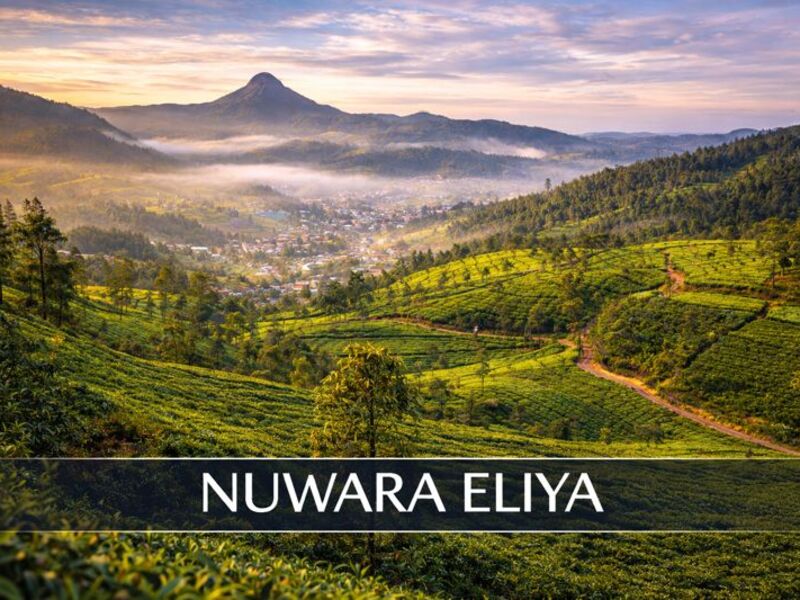
Nuwara Eliya (“Little England”) is a highland resort town (1,868 m) in Sri Lanka’s central hills. Founded by the British, its cool climate supports the country’s premier tea plantations. Key attractions: Victorian‑era colonial architecture, Gregory Lake and lush botanical gardens; nearby Horton Plains National Park offers scenic treks.
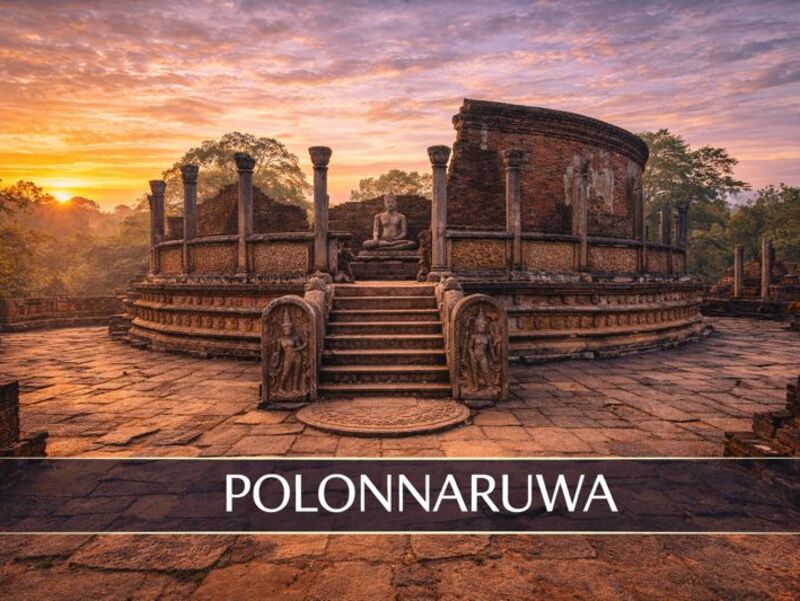
Polonnaruwa (UNESCO) was Sri Lanka’s medieval capital (11th–13th c.) established in 1070 CE. The archaeological park preserves King Parakramabahu’s palace, the Parakrama Samudra reservoir and the Gal Vihara rock-cut Buddha statues. Other monuments (e.g. Lankatilaka temple) underline the Sinhalese kingdom’s architectural legacy.
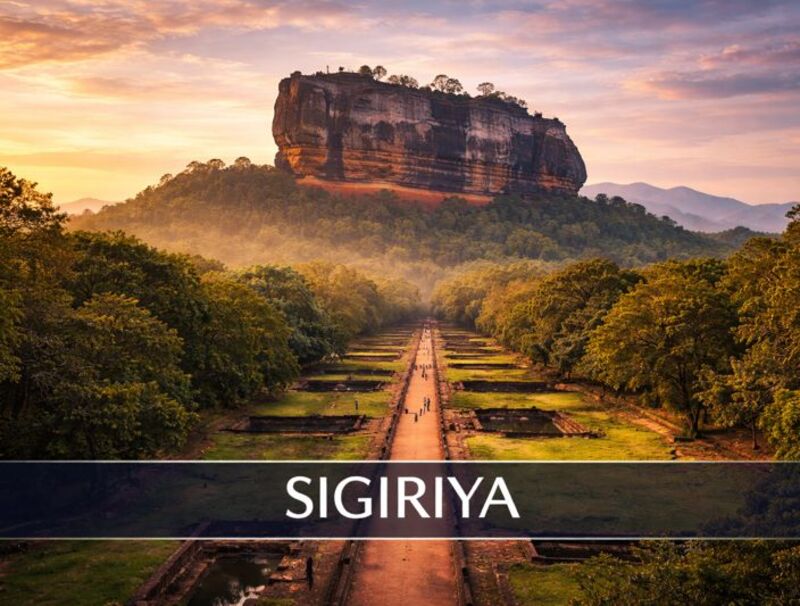
Sigiriya (“Lion’s Rock”) is a dramatic 5th‑century rock fortress and palace in central Sri Lanka. Built by King Kassapa I (477–495 AD), its summit ruins overlook moated gardens. It is renowned for its ancient frescoes of celestial maidens and the partially-restored lion’s paws gateway.
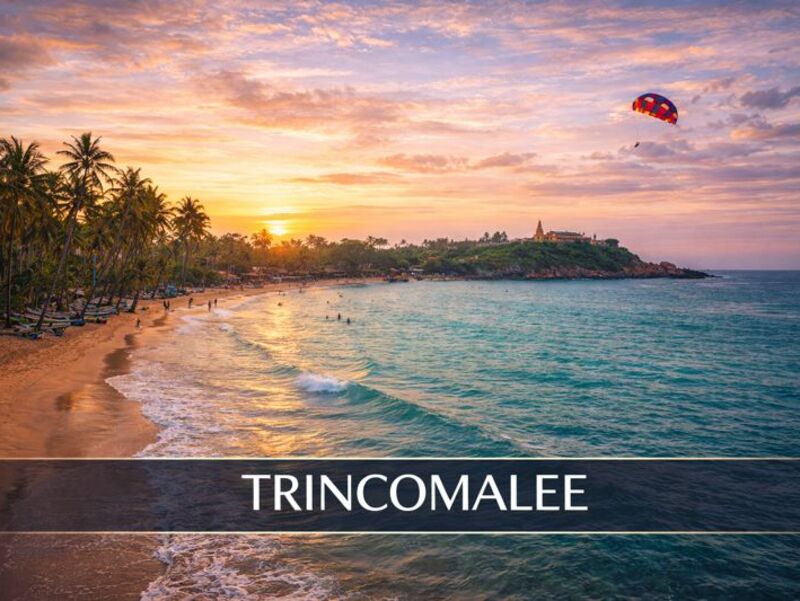
Trincomalee is an east‑coast port city built around one of Sri Lanka’s finest natural deep-water harbors. Notable sites: the Koneswaram cliff-top Hindu temple and fort, plus golden sandy beaches at Nilaveli and Uppuveli. Nearby Pigeon Island Marine Park is a snorkeling reserve, and seasonal whale‑watching is popular.
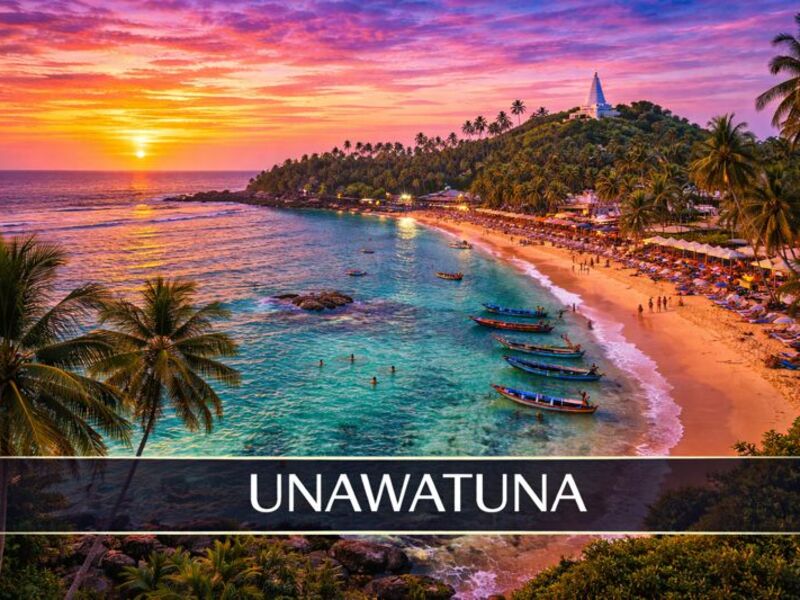
Unawatuna is a tropical bay-side resort southwest of Galle. Its curved golden sand beach and clear waters shelter a coral reef ideal for snorkeling and dive trips. The hilltop Japanese Peace Pagoda offers panoramic views, while Jungle Beach and Rumassala Hill provide trails and Buddhist temple sites.
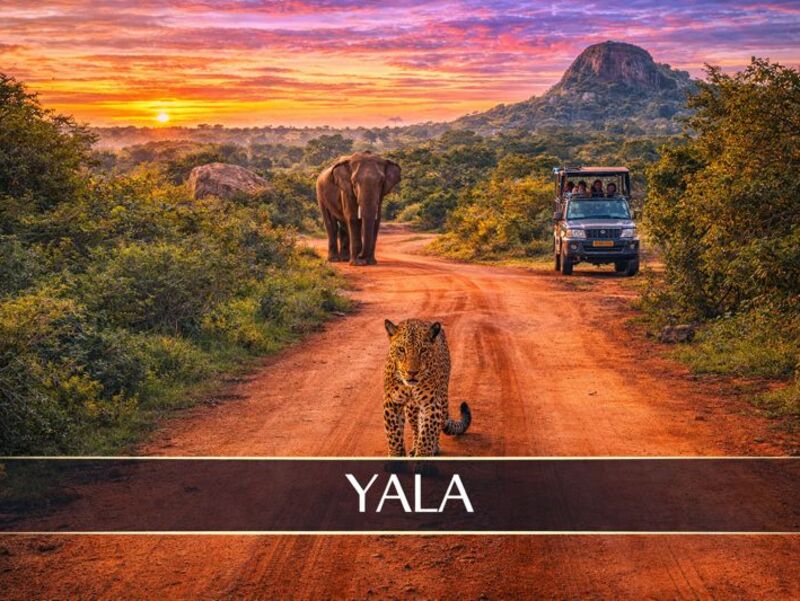
Yala National Park is Sri Lanka’s most visited wildlife reserve, noted for having the world’s highest density of leopards. Its varied habitats (dry scrub, grassland, wetlands) support herds of elephants, sambhur deer, sloth bears and rich birdlife. Visitors explore it via open-jeep safaris.